
News
Technology in the Workplace: Designing for Data, Flexibility and Human Connection
News and EventsIndustry InsightProductivity and Connections
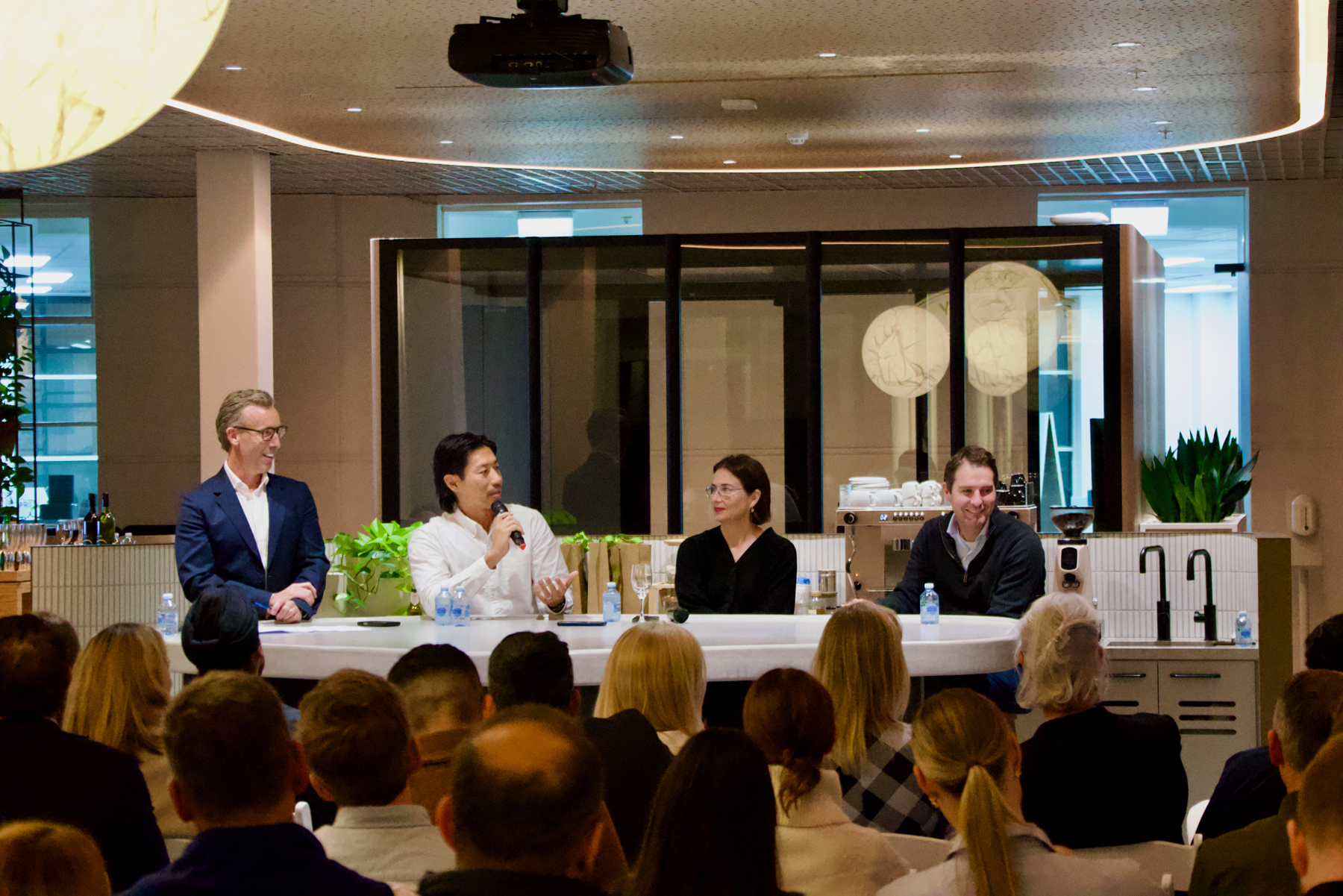
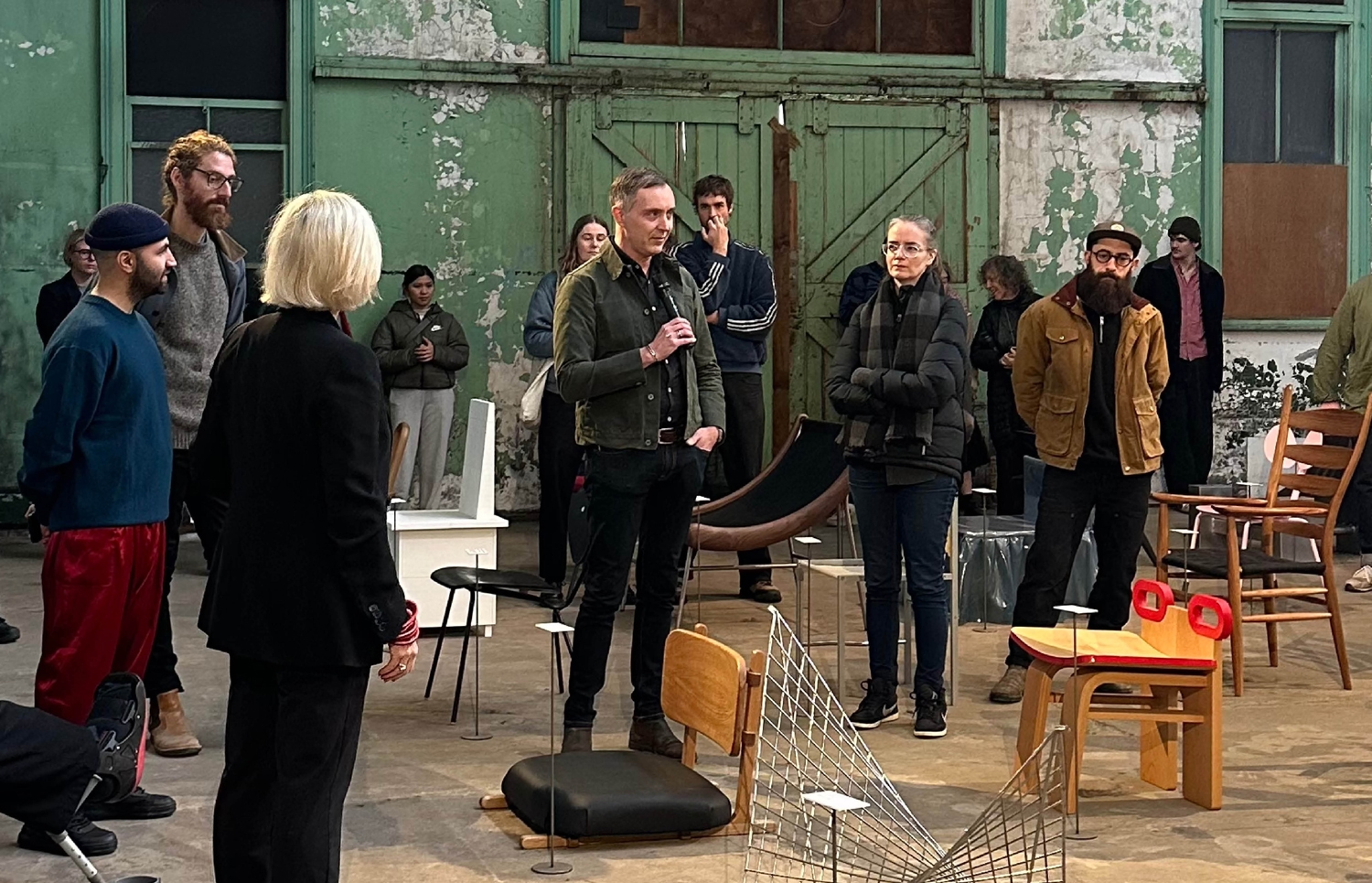
The conversation around technology in the workplace has evolved far beyond discussions about desk booking systems, collaboration tools, or hybrid work policies. At a recent industry panel event focused on the future of workplace technology, leaders across workplace strategy, architecture, property, and operations explored a much bigger question: what role should the workplace play in an increasingly digital and AI-enabled world?
While technology was central to the discussion, one of the strongest themes to emerge throughout the evening was that the future workplace is becoming increasingly human-centred.
Strategy before Technology
Data as the Foundation of Workplace Strategy
One of the earliest and most consistent themes throughout the discussion was the importance of strategy before technology. Panelists stressed that organisations should not implement systems simply because they are available or trending.
As one speaker noted, businesses often risk “walking around with a hammer looking for nails” when they adopt technology without first identifying the problem they are trying to solve.
Instead, successful workplace transformation was described as being grounded in strong data foundations, clear business objectives, and employee insights. Data is no longer viewed as a support function — it is becoming central to how organisations make decisions about workplace experience, utilisation, and operations.
“Everyone gets really excited about AI and technology,” one panelist shared, “but it really is just a mirror to your data. Garbage in, garbage out.”
Alongside the opportunities that data presents, speakers also highlighted the growing importance of data stewardship, accountability, and governance. Several organisations discussed investing heavily in improving data literacy across workplace and property teams to enable more informed and meaningful conversations with stakeholders.
Workplace Evolution
The Shift from Static Offices to Flexible Workplaces
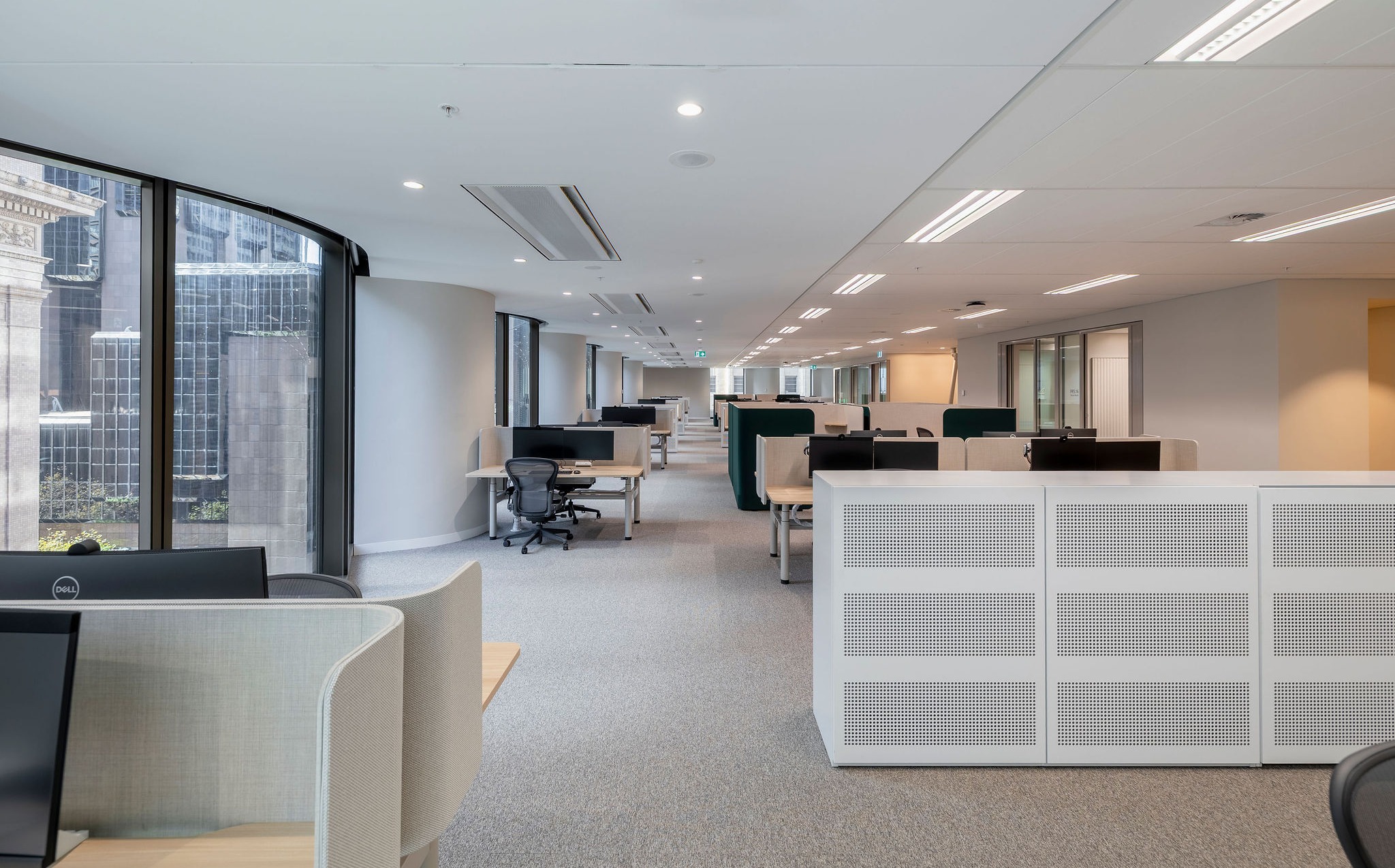
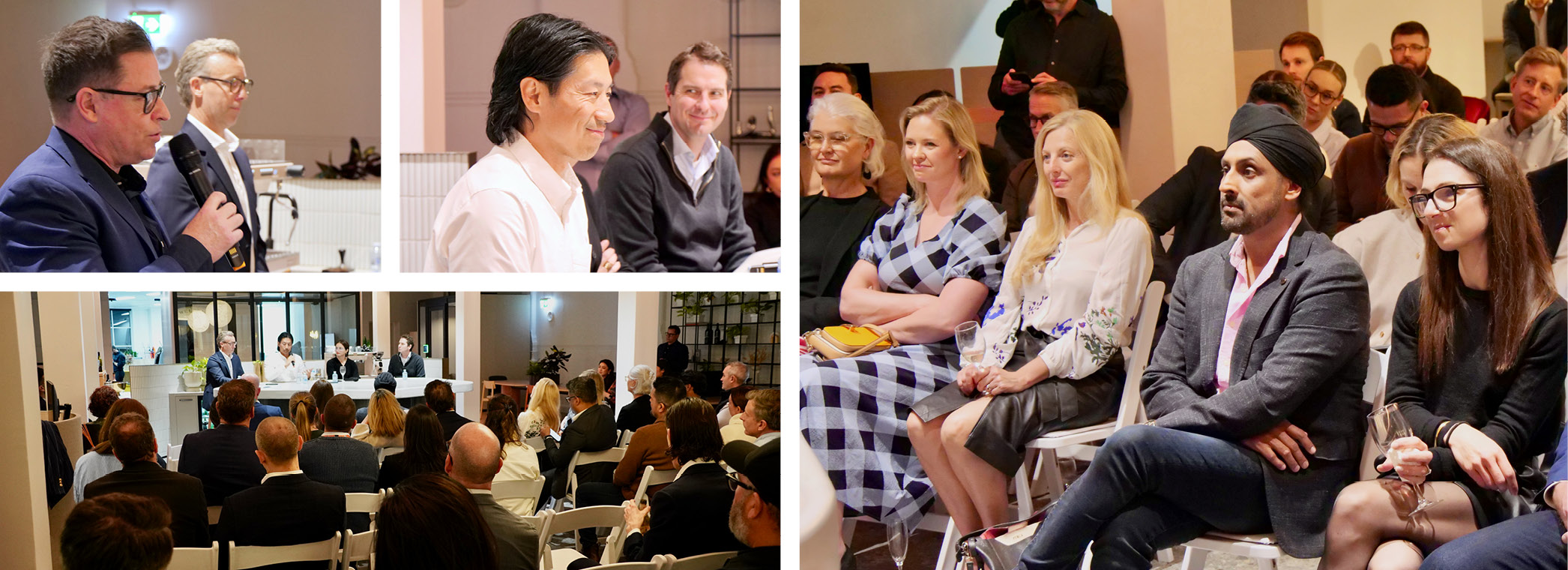
The panel highlighted how dramatically workplace design philosophies have changed in recent years. Traditional office environments centred around fixed desks and standard meeting rooms are increasingly being replaced by dynamic, adaptable spaces that support a variety of work styles and interactions.
“The binary world of a desk and a meeting room is no longer what people are looking for,” one speaker explained.
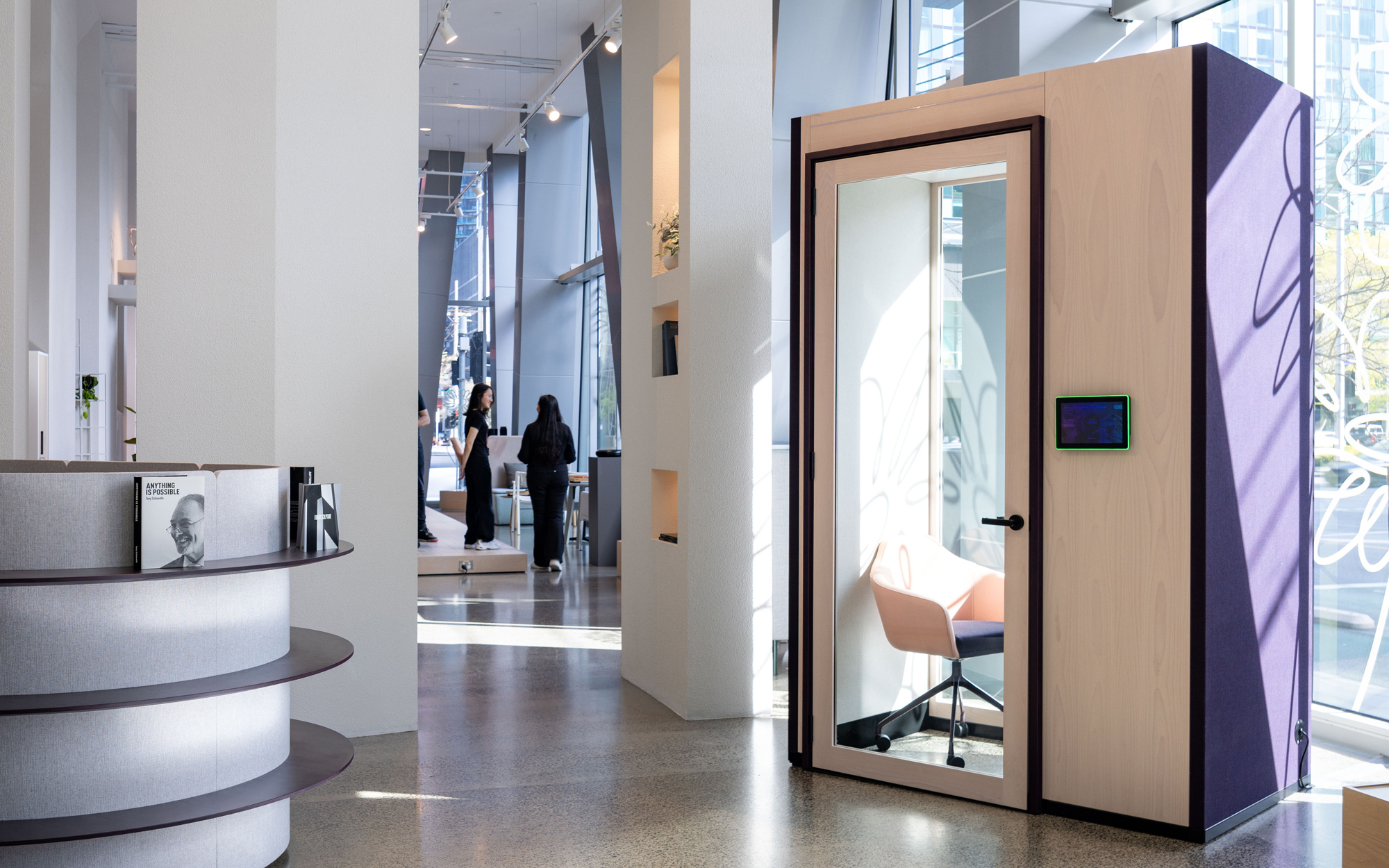
Rather than planning workplaces around desk ratios and floorplate efficiency alone, organisations are now prioritising collaboration spaces, quiet focus areas, social zones, event environments, phone booths, and flexible settings that can evolve over time.
Importantly, there was acknowledgement that organisations can no longer confidently predict exactly how employees will use workplaces in the future.
We can’t predict how humans will interact with space,” one architect admitted. “The only constant is change.”
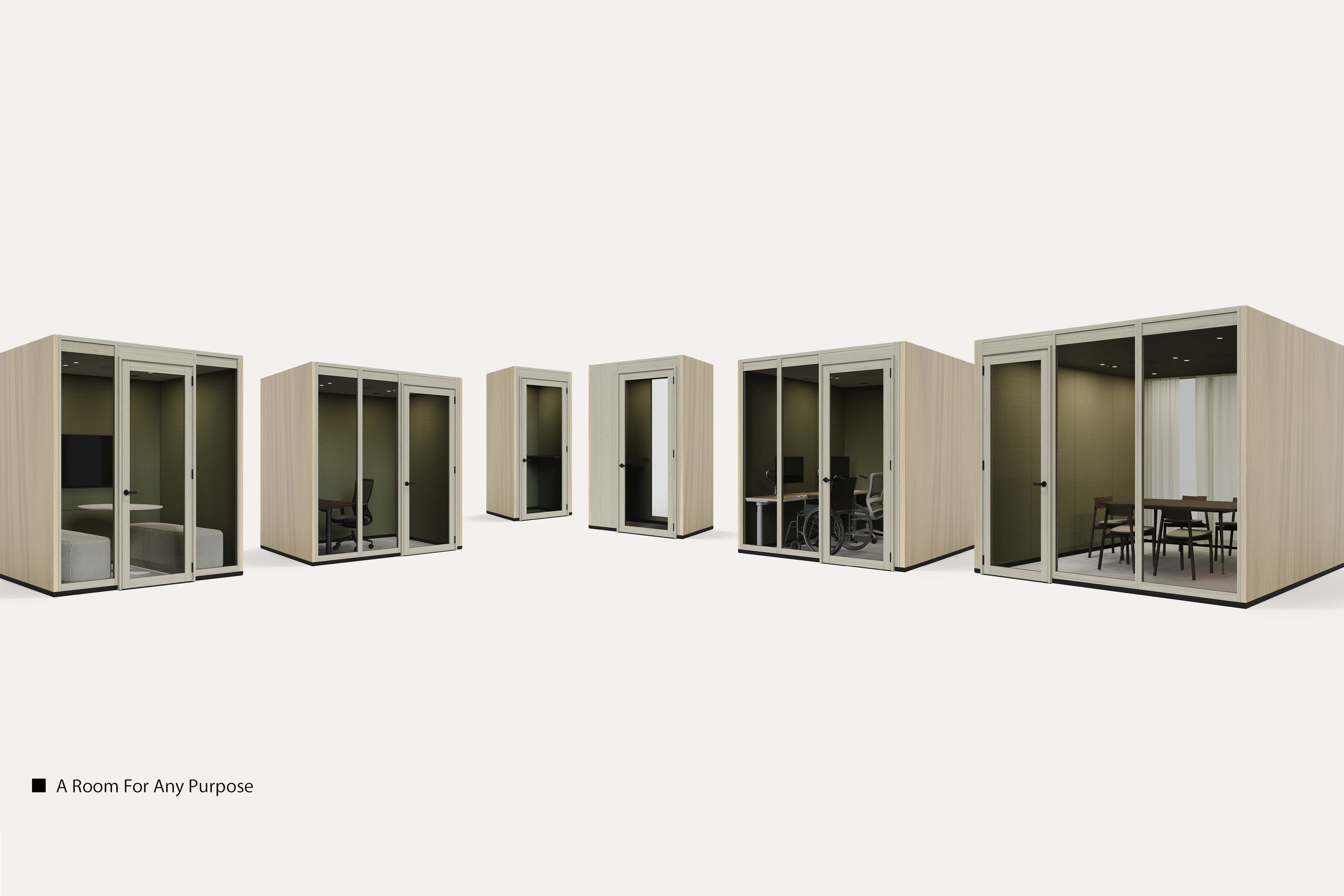
This uncertainty is driving a major focus on adaptability, with businesses investing in flexible infrastructure and modular workplace solutions that can respond to future behavioural and technological shifts.
People First
Human Connection in a Digital World
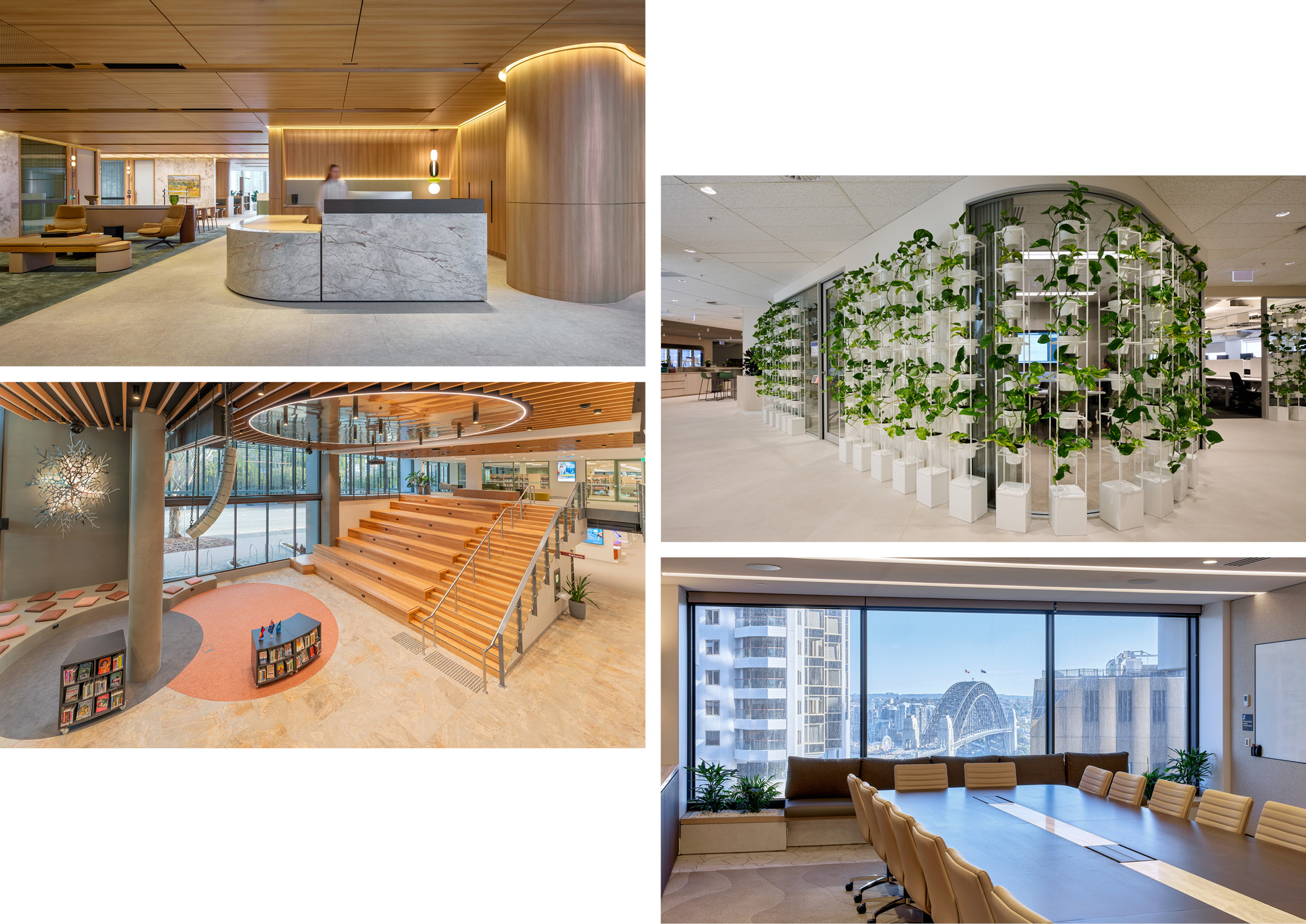
Despite the rapid rise of workplace technology and AI, the discussion repeatedly returned to the importance of physical connection and human interaction.
In many ways, panelists suggested that technology is actually increasing the value of in-person experiences rather than replacing them.
“All this new technology is making human interaction more important,” one speaker observed.
The workplace is increasingly being positioned as a destination for culture, collaboration, mentoring, learning, and relationship-building — experiences that are difficult to fully replicate virtually.
Several panelists noted that employees continue to seek meaningful in-person engagement, particularly younger workers and graduates who value social connection and workplace community.
“There’s still a real desire to come together,” one speaker reflected. “Graduates still want that workplace experience.”
This shift is influencing not only workplace layouts but also organisational thinking around the role of the office itself. Rather than simply accommodating individual tasks, workplaces are being designed to facilitate interaction, trust-building, and collaboration.
The AI Shift
AI Adoption Is Accelerating
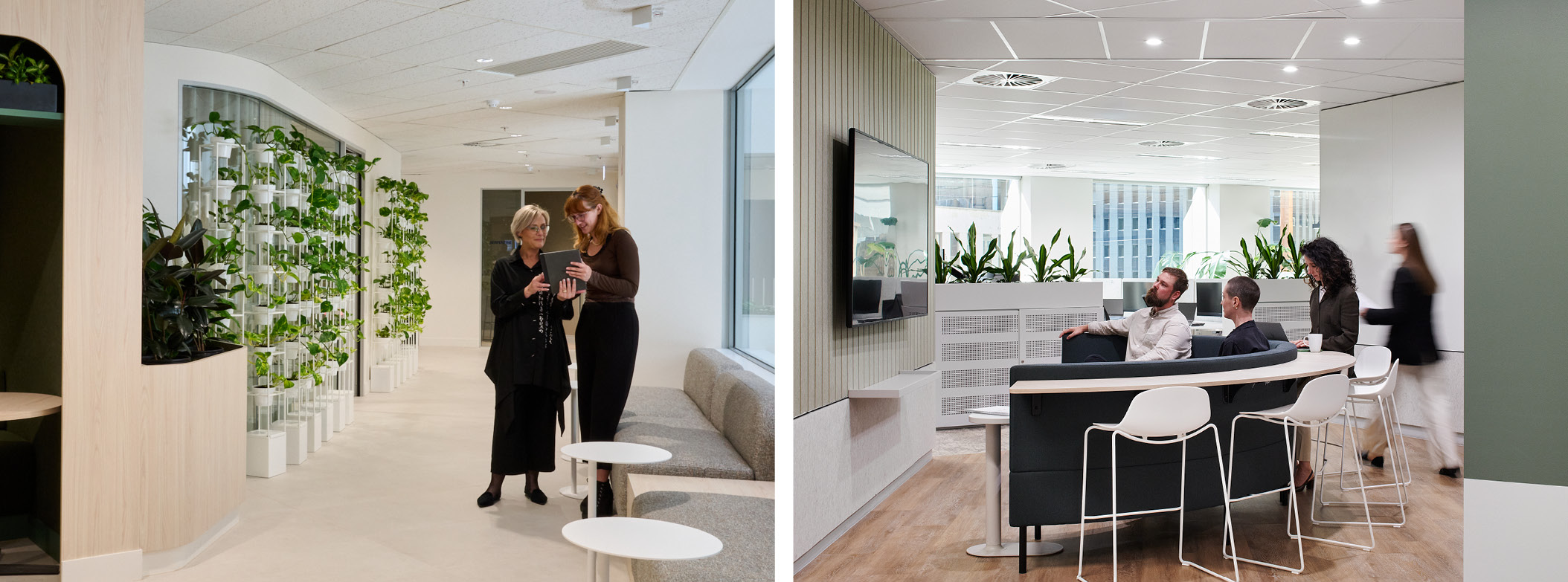
Artificial intelligence featured prominently throughout the discussion, with many organisations already integrating AI into operational and administrative workflows.
Examples shared included AI reviewing handwritten assessments, automating compliance processes, identifying maintenance issues, and generating follow-up actions without manual intervention.
One organisation revealed it is already spending millions each month on AI-related tools and platforms, demonstrating how rapidly adoption is accelerating across enterprise environments.
However, the conversation also reflected a cautious and measured approach to implementation.
“There are some things that still need to be created by people,” one speaker said, particularly in relation to creativity, design, and workplace culture.
AI was largely positioned as a productivity and efficiency tool rather than a replacement for human expertise. While automation is expected to continue growing, panelists agreed that authentic workplace experiences and creative thinking remain inherently human.

Digital Resilience
Cybersecurity, Risk, and Operational Resilience
Alongside the excitement around AI and digital innovation came significant discussion about cybersecurity, resilience, and risk management.
“With every technology stack you introduce, there’s an exposure point,” one panelist warned.
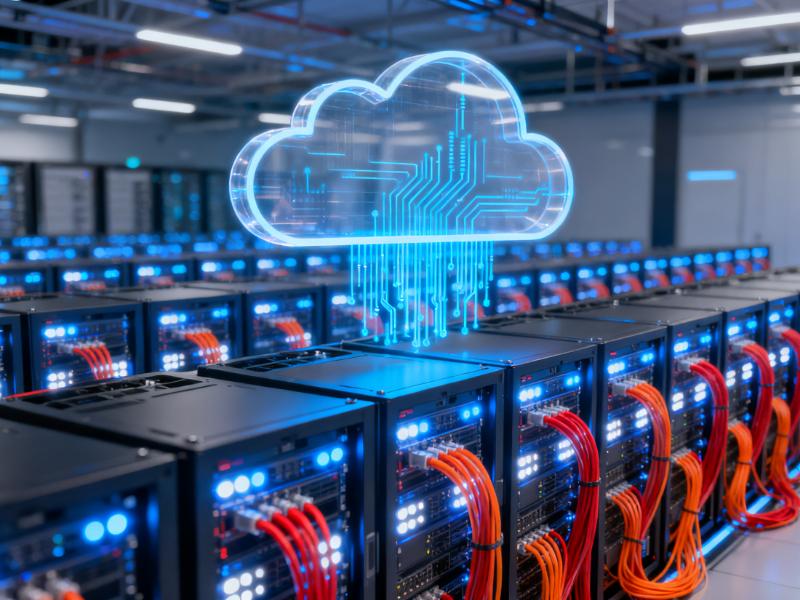
As organisations adopt more workplace platforms, software integrations, and cloud-based services, concerns around data security and operational exposure are becoming increasingly complex — particularly in highly regulated industries.
Several speakers discussed the need to carefully manage third-party software risks, reduce unnecessary system complexity, and isolate workplace technologies from critical enterprise systems wherever possible.
The focus on resilience is also influencing technology adoption decisions, with organisations becoming more selective about which systems genuinely deliver value.
The Office Experience
Rethinking Hybrid Work Patterns
The realities of hybrid work continue to shape workplace strategy, with most organisations experiencing concentrated office attendance between Tuesday and Thursday.
Rather than enforcing rigid attendance mandates, many businesses are now focused on creating workplaces people actively want to visit.
“You make it so fun and appealing that people want to come in,” one speaker explained while discussing hospitality-inspired workplace experiences and cultural programming initiatives.
Food offerings, events, social spaces, and community-building activities are increasingly being used to encourage attendance organically rather than through policy enforcement alone.
Importantly, some organisations acknowledged they are no longer trying to maximise occupancy at all costs. Instead, maintaining flexibility and supporting employee experience is becoming a more important priority than achieving perfect utilisation efficiency.

Seamless Experience
Technology is Becoming Invisible
One of the more compelling insights from the evening was the idea that workplace technology itself may eventually fade into the background.
Rather than focusing on the visibility of systems or tools, organisations are increasingly seeking seamless experiences where technology quietly enables better decision-making, smoother operations, and stronger workplace experiences.
“The technology itself can essentially become invisible,” one speaker noted. “The insights become more important than the technology itself.”
This reflects a broader shift away from technology as a standalone feature and toward technology as an integrated layer supporting the overall workplace ecosystem.
Embracing Change
The Future Workplace Will Require Adaptability
Perhaps the most honest moment of the discussion came when one panelist admitted, “We haven’t solved it at all. I honestly don’t even know what’s going to come around the corner in the next six months.”
That uncertainty resonated strongly throughout the conversation. The workplace is evolving rapidly under the influence of changing employee expectations, accelerating AI adoption, digital transformation, sustainability goals, and shifting social behaviours.
There is no definitive blueprint for the workplace of the future.
What became clear, however, is that organisations best positioned for success will be those that remain adaptable — embracing technology not as the destination itself, but as a tool to create smarter operations, more meaningful human experiences, and workplaces capable of evolving alongside the people who use them.